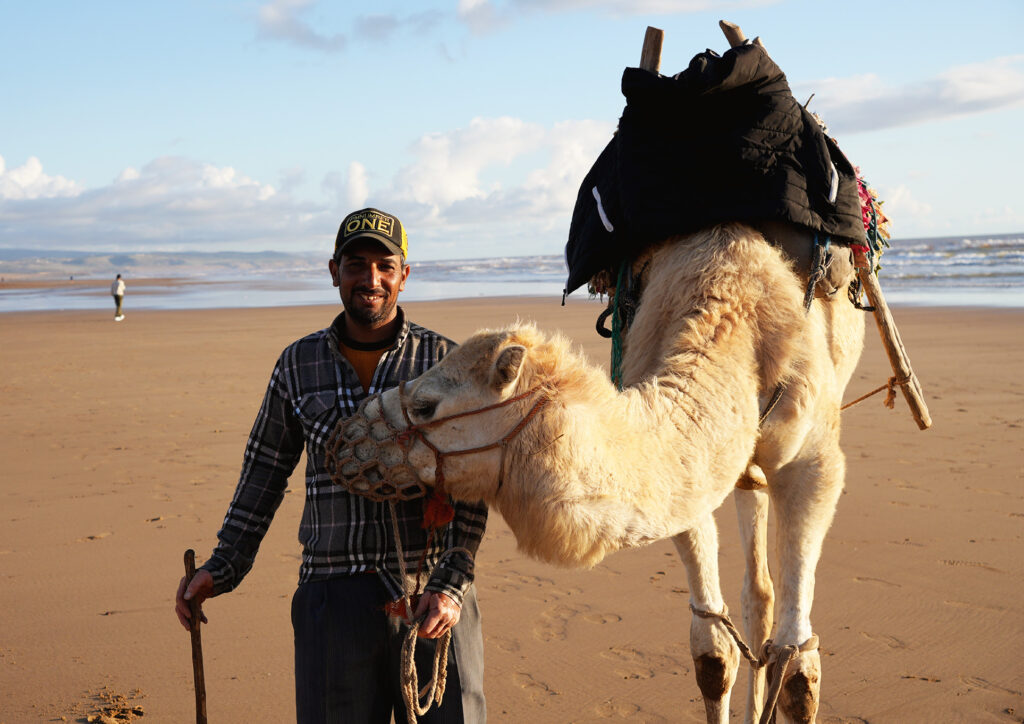
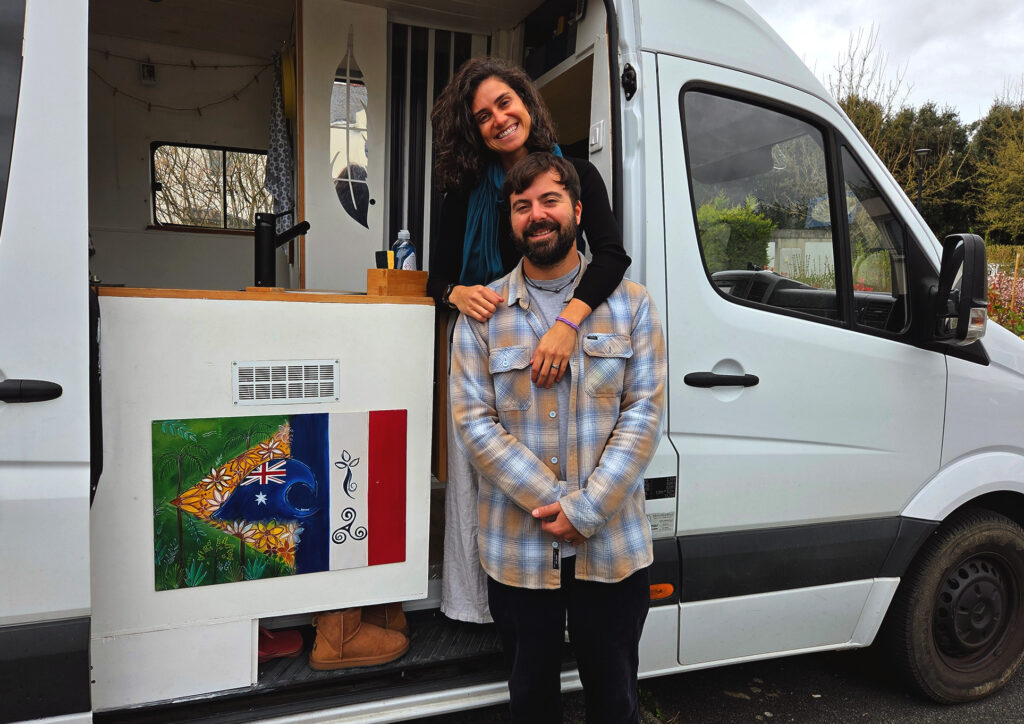
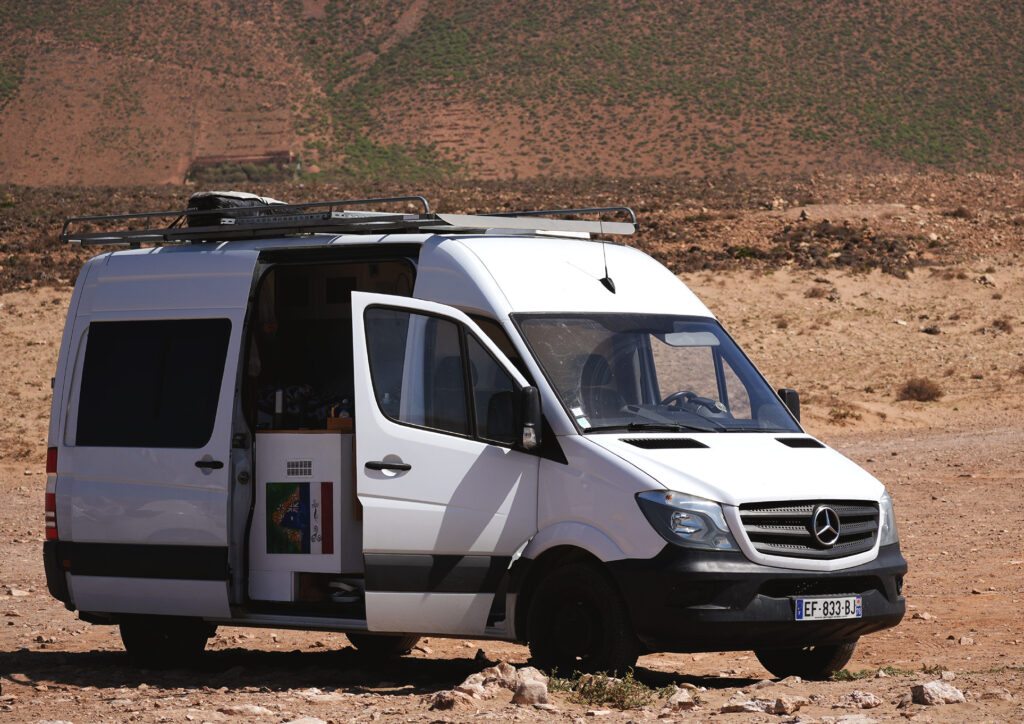
Hitting the road in a van is embracing the unexpected. And when the journey leads to Morocco, it becomes a truly extraordinary experience. In this interview, Ben and Ludmila share their nomadic journey from France to the Moroccan coast, where surf culture blends with warm hospitality, stunning landscapes, and generous cuisine. From ferry mishaps and rugged trails to unforgettable surf sessions, their story immerses us in an authentic vanlife full of discoveries, timeless moments… and great tips. A lively interview for those dreaming of heading south with boards on the roof and open hearts.
Vanlife in Morocco
- What made you want to travel to Morocco in a van?
It was a mix of things. Ben had already been to Morocco several times to surf with friends and always came back raving about the incredible waves, delicious food, and warm hospitality. He’d had magical moments there and wanted to share them with me.
For a few years, we’d been planning to live on the road, and Morocco felt like the perfect starting point for our van adventure a place to rekindle old memories and create new ones together.
- How did the journey from France to Morocco go (via Spain)?
We left from Nantes, France, and decided to head straight down to southern Morocco in one go, planning to take it slow on the way back. The outward trip took about four days, stopping only to eat and sleep. It was amazing to travel through such varied landscapes and climates in so little time: a storm in France, snow in Spain (on our first night in the van!), and sunshine when we arrived in Morocco. Further south, the inland conditions were desert-like and very dry.
The return was much more relaxed. The only hiccup was the ferry: we waited over 7 hours in line for the vehicle scan, because more than 500 rally cars were also returning from Morocco. That’s the beauty of life on the road there are always surprises.
- Did you encounter any issues (administrative, mechanical, logistical) during the trip?
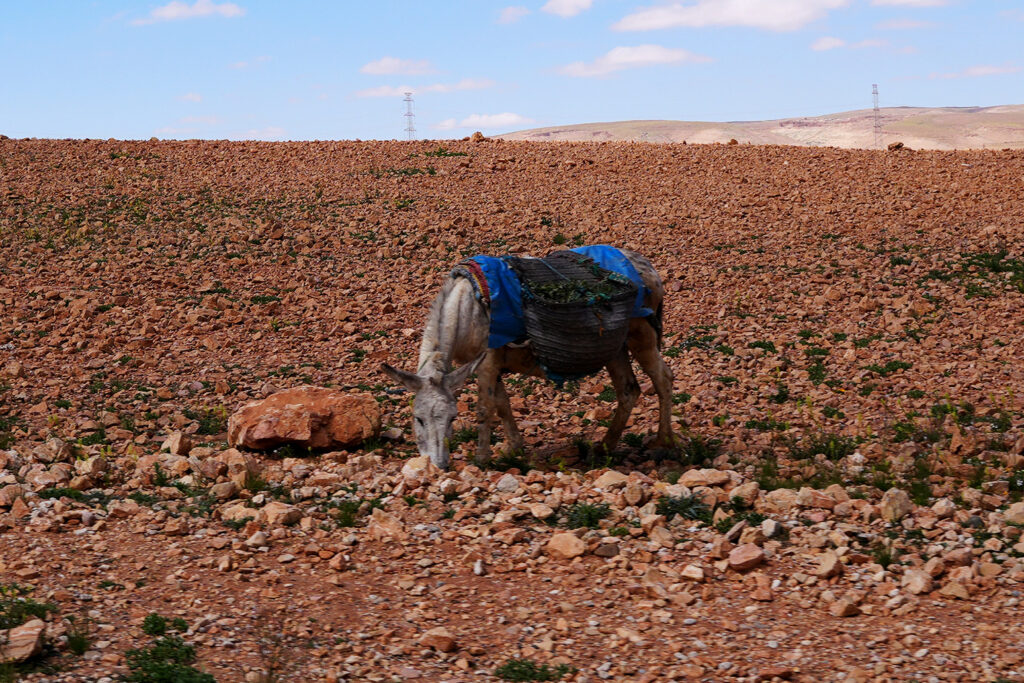
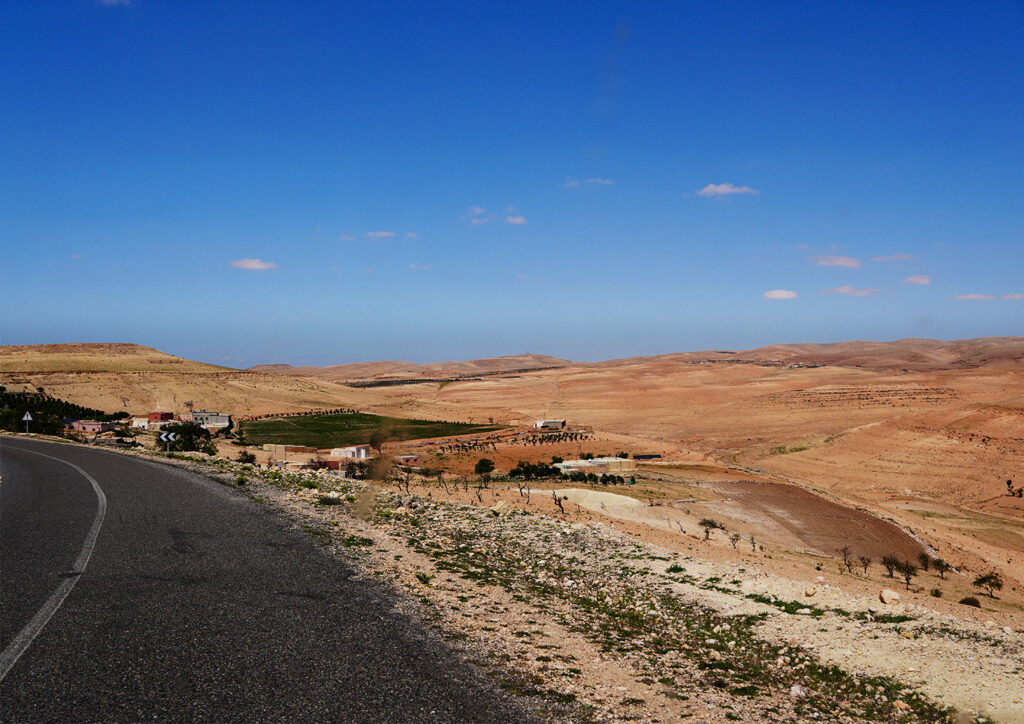
Yes, a few. When driving from Marrakech to Imsouane, Google Maps took us on a rough, narrow road barely wide enough for the van. We drove over 100 km on gravel, tense and hoping we wouldn’t blow a tire or tip over. But in the end, it was an incredible experience that let us discover rural Moroccan life. We saw kids and adults walking or hitchhiking long distances to get to school or work. Not a single tourist in sight.
Luckily, we had no mechanical issues. The only garage stop was in Marrakech for a solar panel issue, which was fixed in less than an hour by the very competent team at Atraxion 4x4.
- Did you feel safe in Morocco as van travelers?
Overall, yes. We always felt safe. Being polite and respectful to locals and fellow travelers goes a long way. Mutual respect makes everything easier.
- What were your favorite spots to sleep or spend several days?
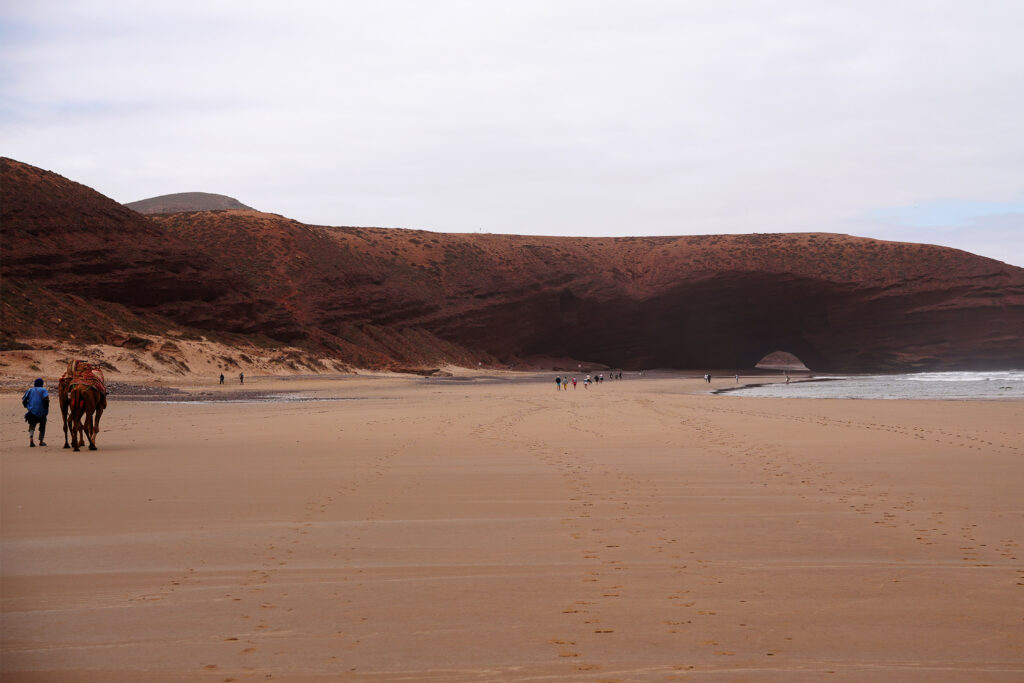
Mirleft and Taghazout were our favorites. Mirleft is quiet, slightly off the tourist path, perfect for recharging. Taghazout, on the other hand, has an amazing surf vibe with lots of breaks to explore. We even camped on a hilltop with a magical ocean view and breathtaking sunsets.
- Did you find van-friendly spots or vanlifer communities?
Absolutely! Especially along the coast, we met many other van travelers. Ben has been coming to Morocco since 2017 and noticed how much the community has grown. There are now many well-equipped campgrounds, usually around 100 dirhams (10 euros) per night. Morocco is more vanlife-friendly than ever.
- What was your most memorable encounter or highlight outside of surfing?
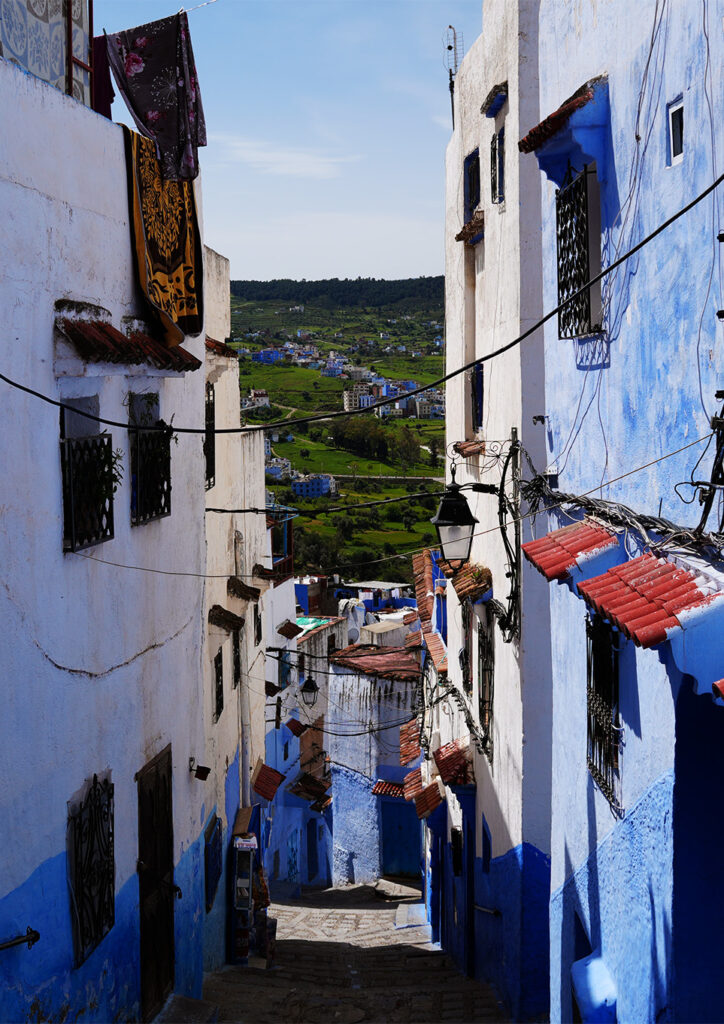
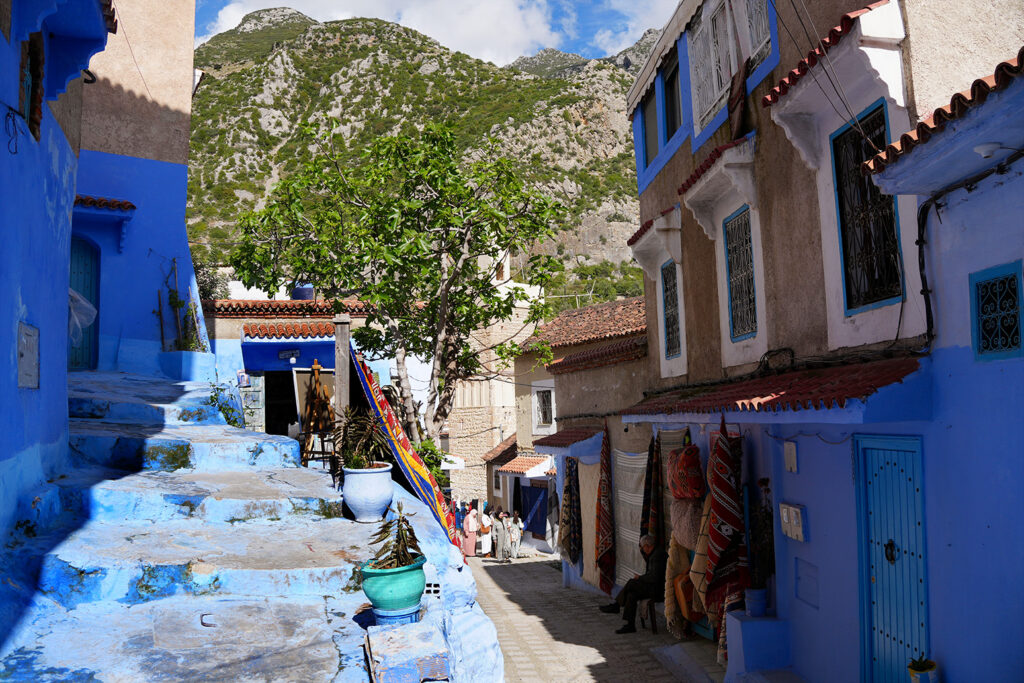
Chefchaouen! This mountain town painted in blue and white looks like something out of a dream. It’s also known for its cannabis plantations, which are part of the local culture and economy. The atmosphere is unique: peaceful, colorful, and full of charm.
Surfing in Morocco
- What surf spots did you check out on your trip?
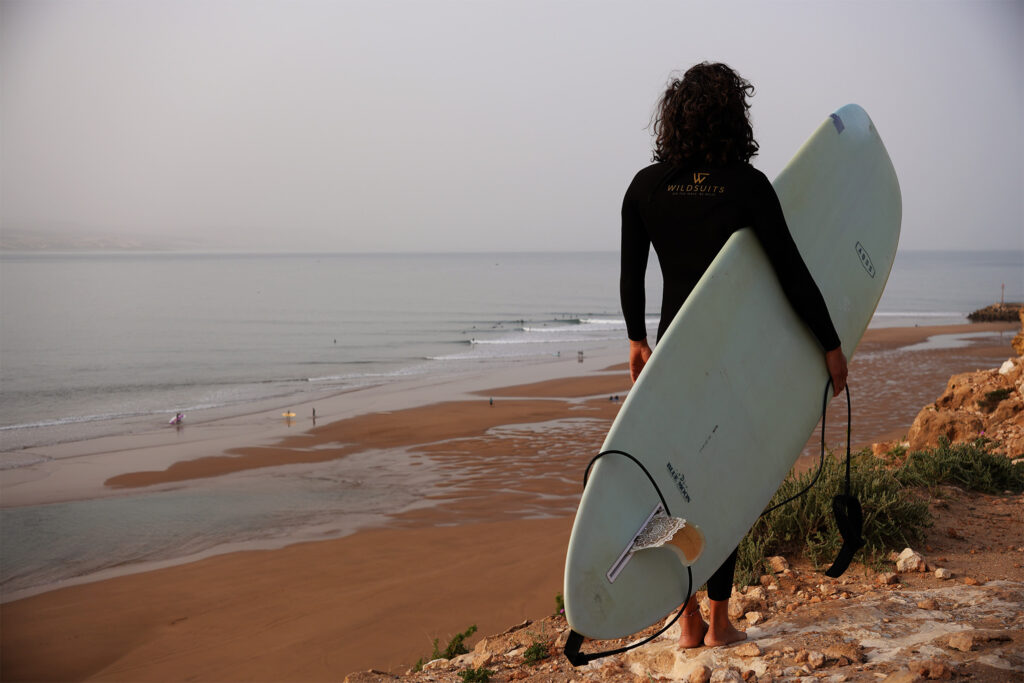
We hit the classics: Imsouane and Taghazout. Unfortunately, Imsouane was a big letdown overcrowded, no surf etiquette. Total chaos.
Taghazout, however, was much better. The many point breaks help spread out the crowd. On the day we arrived, we surfed Anchor Point: 1.5 meter swell and only 10–15 people in the water. Then the swell grew to 3 meters! Lud was terrified, but Ben was stoked to ride such a legendary spot in those conditions.
We also discovered a few lesser-known spots thanks to locals which we’ll keep secret out of respect.
- How would you describe the vibe in the water? Is there a real local surf community?
Depends on the spot. At the popular ones, the vibe can be tense, with some locals acting aggressively, even when you're respectful. But at quieter breaks, we met very welcoming locals who gladly shared waves.
Our worst experience was at Imsouane. It’s become the capital of influencer surfers. Lud felt especially uncomfortable there was zero respect in the water. She constantly got dropped in on, by beginners and pros alike, locals and tourists.
- What was your best surf session and why?
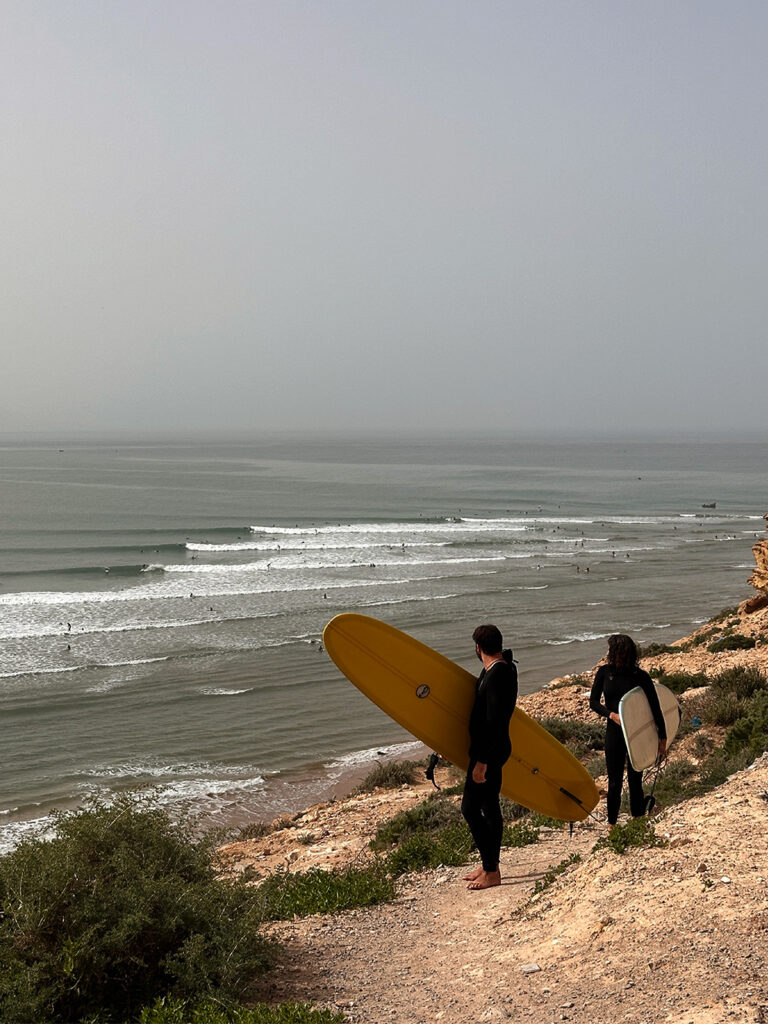
Ben: Anchor Point. Perfect conditions 2 meter swell, 14 second period, offshore wind, 20 people in the water, and 200-meter-long rides. A dream.
Lud: Banana Point. Beautiful lefts and rights, glassy 1.5 meter waves, relaxed vibe, and an unforgettable sunset. What more could you ask for?

- Were the weather and wave conditions what you expected?
Yes. We researched conditions thoroughly, and they matched our expectations. Sometimes the wind was a bit stronger than forecast, but nothing serious.
- What level should someone have to fully enjoy surfing in Morocco?
All levels! The key is choosing spots that match your abilities. Don’t paddle into waves that are too heavy for your safety and everyone else’s.
It’s amazing to see how surf culture has transformed villages like Taghazout, with surf schools for every level.
Daily Life & Reflections
- What surprised you most about Moroccan culture?
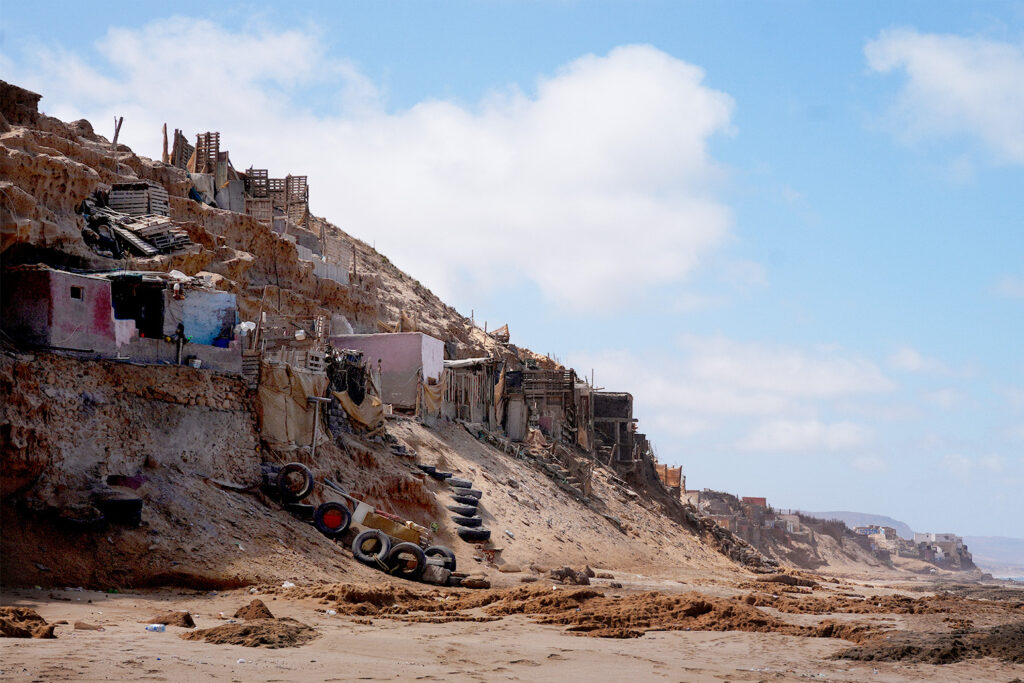
The fishing communities in southern Morocco left a deep impression on us. We saw very humble homes built into cliff sides facing the ocean no real comfort or infrastructure, but with the warmest, most genuine smiles, especially when we surfed near their remote villages.
- How did you manage groceries, water, gas, and electricity on the road?
Groceries were easy. For big shops, we went to supermarkets. For fresh produce and local products, the little shops were perfect.
Electricity-wise, we were 100% solar-powered which gave us real freedom.
Most paid campgrounds have a faucet to fill up your water tank that’s what we used. We didn’t find many free sources, but campground water is affordable.
- Any food favorites or dishes you’d recommend?
Definitely! Moroccan cuisine alone is worth the trip. We loved the classic tagines and couscous, but our top meals were:
A seafood feast at Le Rayon Vert, a little seaside restaurant in the south: sea urchins, octopus tagine, grilled fish, and gooseneck barnacles. Super fresh.
A beef, walnut & fig tagine at Tawrirte Café & Restaurant. An unforgettable blend of flavors.
- Did you share any meaningful moments with locals?
Not as many as we’d hoped. Most of our interactions happened around surfing.
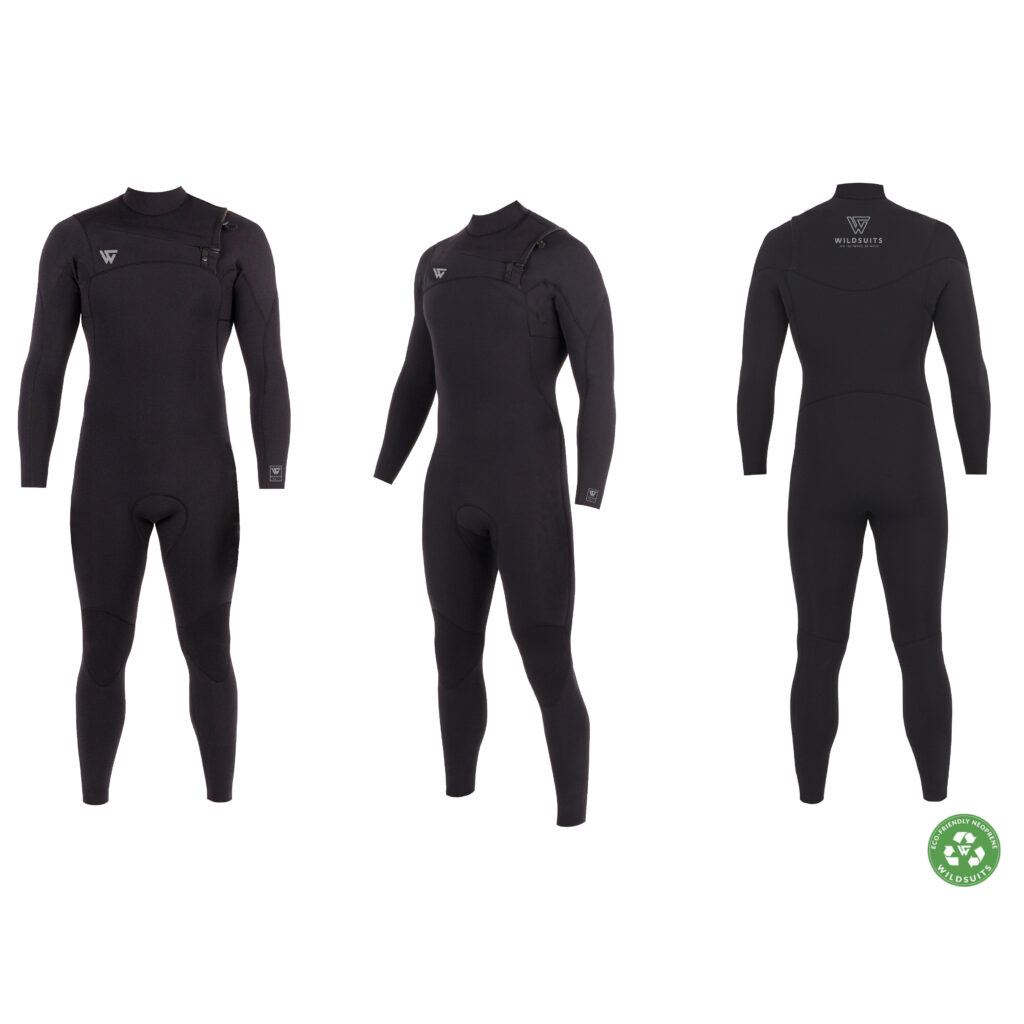
But thanks to Wildsuits, we met Ayoub, and shared some beautiful conversations over traditional Moroccan coffee in Taghazout. And Badreddine, who gave us great local surf tips.
- Any advice for couples thinking about van-traveling through Morocco with their boards?
Morocco is a gem. Everyone should go at least once… but we dare you to go only once. Once Morocco gets into your heart, you’ll want to return again and again.
You can follow their journey and their next adventure on a new continent: @saltyfinprints.