Coastal walking, also called sea walking, is a sport that is attracting a growing audience along the French coasts and beyond. Suitable for all ages and fitness levels, this activity combines physical exercise, mental well-being, and immersion in nature. But what exactly is coastal walking? What are its health benefits? What are the ideal conditions for practicing it? And how can you equip yourself to fully enjoy this rapidly growing activity?

What is Coastal Walking?
Coastal walking involves walking in water at varying depths, typically between the waist and the chest. This discipline originated in the early 2000s in northern France, thanks to a rowing coach who was looking for an alternative method to improve endurance and muscle strengthening. Today, this practice has become widely popular, attracting a diverse range of participants—from athletes seeking a gentle alternative to traditional training, to seniors or individuals in rehabilitation looking to enjoy the benefits of water in a gentle way.
Coastal walking, also known as water hiking, is a water sport that emerged in the 2000s on the northern coasts of France. Its inventor, Thomas Wallyn, a former rowing coach, created the activity while searching for an innovative training method. He came up with the idea of walking in water with a paddle to strengthen the body while minimizing joint impact. The practice quickly evolved into an accessible activity for everyone, combining well-being, muscle strengthening, and a connection with nature. Today, coastal walking is practiced on many beaches in France and beyond, attracting a wide audience looking for a gentle and friendly sporting experience.


The Health Benefits of Coastal Walking
Coastal walking is a full-body sport that works both the body and the mind. Its benefits are numerous:
Low-impact muscle training
The water provides natural resistance that engages muscles without stressing the joints. The legs, abs, back, and even the arms (if using a paddle) are intensively strengthened.
Improved cardiovascular system
Continuous effort in the water, combined with no impact, helps strengthen the heart and lungs. It’s an excellent exercise for improving endurance.
Stress reduction
The marine environment, the sound of the waves, and the sensation of floating provide natural relaxation. Coastal walking, practiced alone or in groups, helps reduce daily tensions.
Suitable for all
This activity is particularly inclusive. Regardless of your age, fitness level, or any physical limitations, you can adjust the intensity and duration of your sessions to suit your needs.
Ideal Weather Conditions for Coastal Walking
Practicing coastal walking can be done year-round, but certain weather conditions ensure an optimal experience:
- Water Temperature
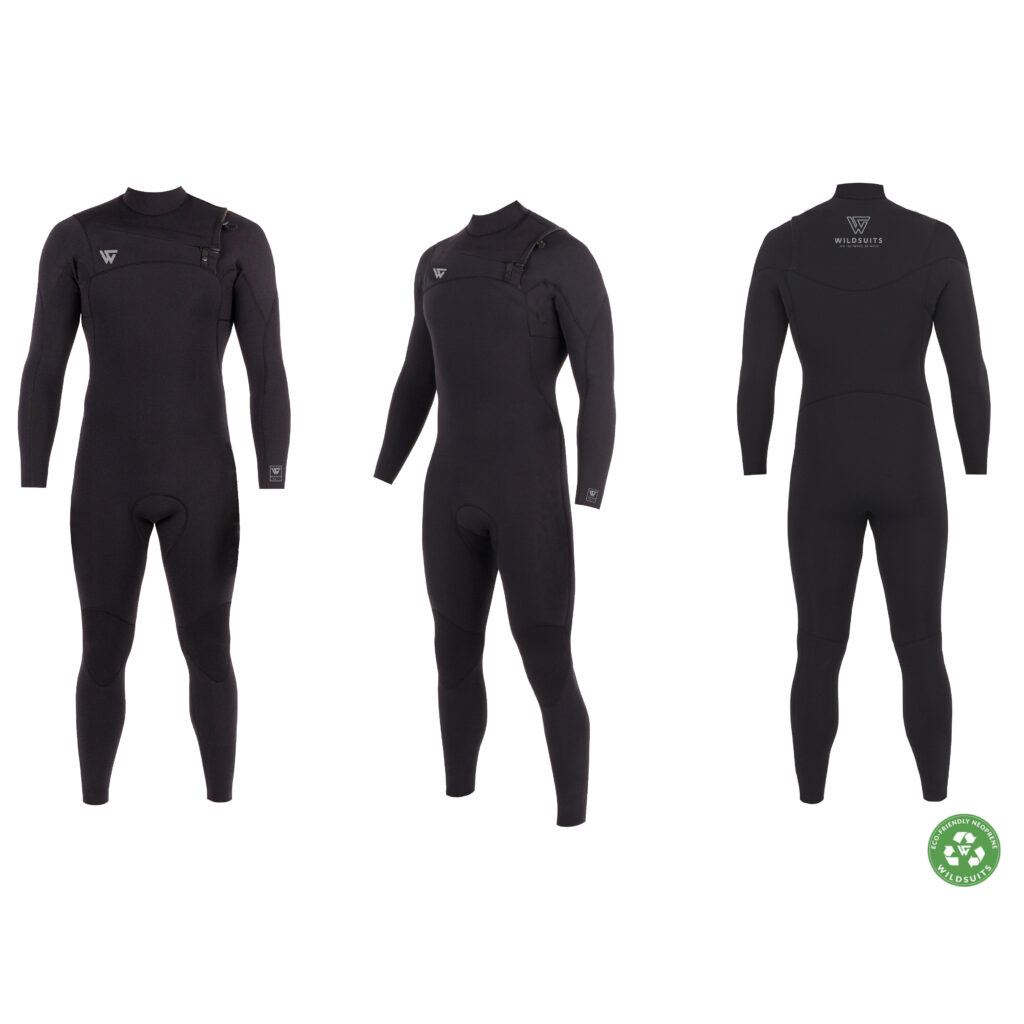
Si l’eau est froide, une combinaison en néoprène adaptée est essentielle. Les modèles comme ceux de Wildsuits permettent de conserver la chaleur corporelle. - Calm or Moderately Choppy Sea
Too strong waves or powerful currents can make the practice uncomfortable or even dangerous. However, a slightly choppy sea can increase the intensity of the effort and further stimulate stabilizing muscles. - Moderate Wind
A light breeze can be pleasant, but strong winds combined with low temperatures can make the experience difficult without proper equipment. - Tide
Coastal walking is usually practiced at low or rising tide, when the waves are less powerful, and the water remains at an ideal height.
I recommend using Windy for weather forecasts.


How to Equip Yourself for Coastal Walking
To get the most out of this activity, it’s crucial to choose the right equipment:
The Wetsuit: A Must-Have
A good wetsuit provides both thermal insulation and freedom of movement. Wildsuits offers models specifically designed for coastal walking, with features such as:
- A high waist for better support,
- Minimal seams to avoid irritation,
- Enhanced resistance to saltwater and friction.
Neoprene Boots
They protect the feet from the cold, rocks, or sharp shells.
Accessories for Comfort and Safety
- A paddle for those who want to work their arms more,
- A windbreaker to protect yourself after the session,
- A small waterproof pouch to keep keys or a phone dry.

Coastal Walking: An Eco-Friendly Activity
Practicing coastal walking is also about reconnecting with nature while respecting the environment. Unlike some water sports that require heavy or motorized equipment, coastal walking leaves no footprint on the marine ecosystem. It’s a gentle and sustainable activity that raises awareness about the preservation of beaches and oceans.
How to Start Coastal Walking?
Join an Association
Many organizations offer beginner sessions and guided outings with professionals.
Learn the Basics
The technique involves adopting an upright posture, walking using the resistance of the water, and maintaining a steady pace.
Adapt the Duration
For beginners, 20 to 30 minutes is enough. Sessions can be lengthened as you progress.
A Sport for Everyone, All Year Round
Coastal walking isn’t just a summer activity. With quality equipment, you can walk in the water even during cooler seasons. It’s a unique way to stay active all year long while enjoying the benefits of the fresh sea air.
So, whether you’re looking for a gentle sport, a full-body workout, or simply a moment of relaxation in harmony with nature, coastal walking is for you. And with Wildsuits wetsuits, you’re guaranteed to practice in optimal comfort and style.
Prepare for your next aquatic adventures and discover all that coastal walking has to offer!

LONGE-CÔTE 4mm – Products Designed to Last
At Wildsuits, we design products built to withstand the test of time while offering unmatched comfort and performance. Our new range dedicated to coastal walking combines durability, lightness, and freedom of movement.
Made with durable, technical materials, this gear is perfectly suited for other water sports such as kayaking or rafting, and will become your must-haves for all your coastal adventures.