Surfing is a sport directly influenced by weather conditions. Swell, wind, tides, and water temperature are essential factors to analyze before jumping into the water. A good understanding of these elements not only improves performance but also ensures safety. In this article, we explain how to interpret these parameters to optimize your surfing experience.

1. Swell: The Source of Waves
What is Swell?
Swell is formed by wind blowing over the ocean, often thousands of kilometers from the shore. It is the primary generator of waves and can vary in size, power, and direction depending on wind intensity and the distance traveled by the waves.
How to Read a Swell Forecast?
Two main elements to consider:
- Swell size (measured in meters): A 1m swell can produce bigger or smaller waves depending on the spot, the underwater topography, and local conditions.
- Period (measured in seconds): A long period (>12s) means more powerful and well-spaced waves, while a short period (<8s) results in weaker, more frequent waves.
- However, the period does not just define wave power. The longer the period, the better the swell can wrap around natural obstacles like islands, reefs, or sandbanks. This allows certain swells to reach sheltered spots, often considered fallback options, that may be more difficult to access.
- These less exposed spots, usually unaffected by short and messy swells, can deliver unexpectedly high-quality waves when the period is long enough.

Swell Direction and Its Influence
Swell direction plays a crucial role: some spots only work with specific swell orientations. For example, a north-facing spot will best catch a north swell, while a west-facing spot will be ideal for Atlantic swells. On the Atlantic coast, weather disturbances influence wind direction and strength, though thermal winds also play a role, particularly in Portugal.

2. Wind: A Surfer’s Best Friend or Worst Enemy?
Wind is a key factor that can turn a session into either paradise or a nightmare.
Offshore vs Onshore
- Offshore wind (blowing from land to sea): Shapes waves beautifully and can even create perfect barrels.
- Onshore wind (blowing from sea to land): Deteriorates wave quality, making them mushy and disorganized.
- Side-shore wind (blowing parallel to the shore): Can affect wave consistency and make them unpredictable.

Wind Intensity
A light wind (5-10 km/h) can be beneficial, but anything above 20 km/h often becomes disruptive, making paddling harder and roughing up the water surface.
Practical Cases: Wind Influence by Region
In some regions like Indonesia, thermal winds are crucial: mornings are often offshore, while afternoons see the wind shift onshore. On the Atlantic coast, weather disturbances influence wind direction and strength more significantly.
3. Tides: A Key Factor for Each Spot
Each surf spot reacts differently to tidal changes.
Understanding the Tidal Cycle
- A full tidal cycle lasts about 12 hours, consisting of a high tide and a low tide.
- Tidal coefficient: The higher the coefficient (closer to 120), the greater the difference between high and low tide, significantly affecting wave quality.

Best Time to Surf?
Some spots work better at high tide, others at low tide. For example:
- Beach breaks (sandy beaches): Often best at mid-tide rising.
- Reef breaks (rocky reefs): Require specific tides to expose or cover rocky sections.
Case Study: Spot Comparison
In Hossegor (France), tides heavily impact the shape of sandbanks. A perfect sandbank at low tide may not work at high tide. Conversely, in Biarritz, some reef breaks only function at high tide. maree.info
4. Water and Air Temperature: Comfort and Safety
Why Monitor Water Temperature?
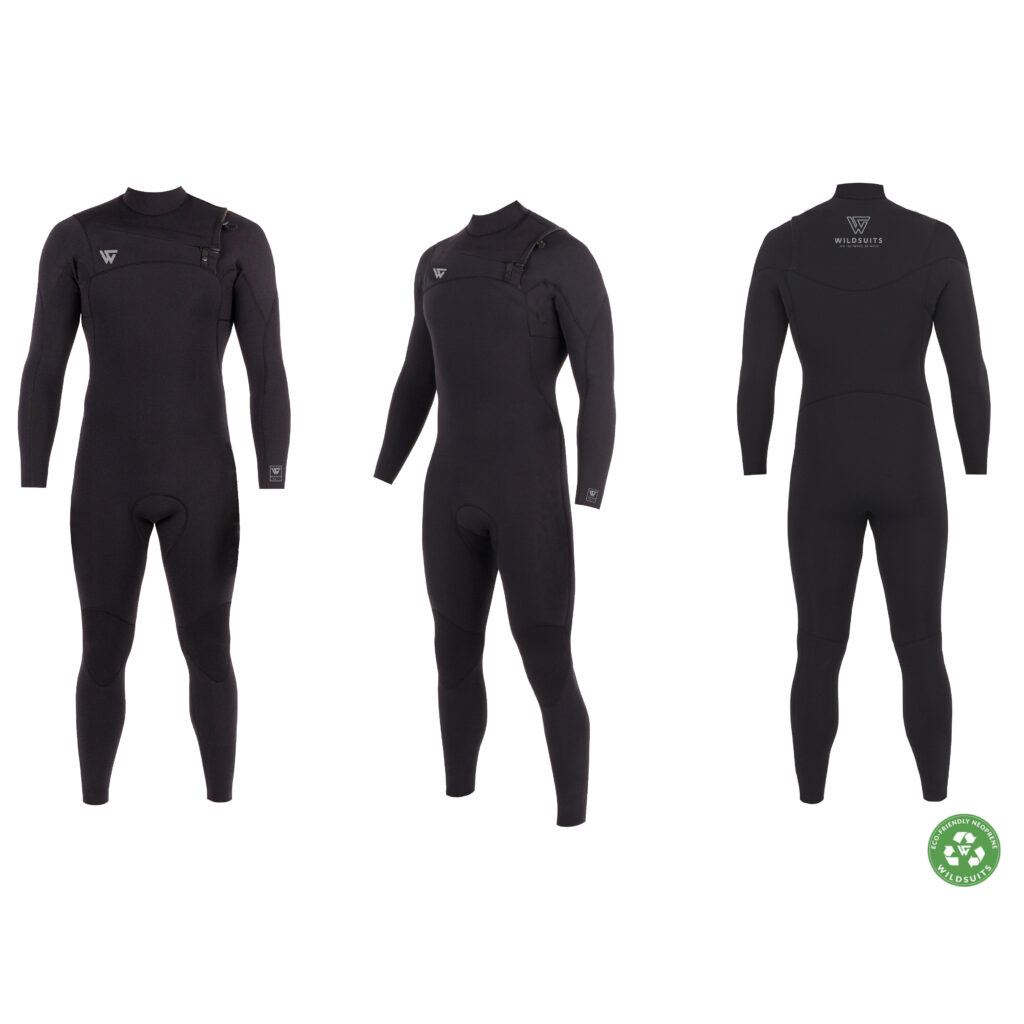
- Cold water (<15°C): Requires a thick wetsuit (4/3 mm or more).
- Temperate water (15-20°C):) A 3/2 mm wetsuit is sufficient.
- Warm water (>20°C): A rash guard or boardshorts protect against UV rays without restricting movement.
Air Temperature’s Impact
Cold winds can make a session uncomfortable, even if the water temperature is pleasant. Likewise, extreme heat can cause dehydration and sunburn.
Recommended Gear
In winter, in addition to a wetsuit, accessories like gloves, booties, and a hood may be necessary for longer sessions.

5. Tools and Apps for Surf Forecasting
Best Surf Forecast Websites and Apps
- Windy Ultra-detailed wind and swell forecasts.
- Surfline : Live cams and accurate surf reports.
- Windguru Primarily used by windsurfers but also valuable for surfers seeking precise details.
Common Mistakes to Avoid
- Relying solely on swell size without checking the period.
- Ignoring wind direction.
- Overlooking tidal impact on your regular surf spot.
6. Extreme Weather Phenomena and Their Impact
Storms and Cyclones
Large storms can generate massive swells, perfect for big wave riding but dangerous for intermediate surfers. They can also reshape sandbanks, transforming familiar spots.
Heatwaves and Droughts
Excessively high temperatures can affect water temperature and thermal wind formation.
7. The North Atlantic: Swell Generation in the Subpolar Depression Zone
The swells reaching the French Atlantic coast mainly originate from the North Atlantic, particularly in two key areas:
- Located between Newfoundland, Greenland, and Iceland.
- Characterized by storms and depressions caused by the clash of cold polar air masses and warmer southern air masses.
- These storms, especially in autumn and winter, create powerful swells that travel thousands of kilometers toward European coasts.
- These long-period swells retain their energy, producing well-formed waves.
Lower Latitudes (Tropical Cyclones and Storms)
- Some swells are generated by tropical cyclones in the central Atlantic or storms near the Azores and Canary Islands.
- These swells are less frequent but can bring large waves in late summer and early autumn.
Why Do These Swells Reach France?
- Atlantic Coast Orientation
- The French coastline is well-exposed to northwest and west swells, the dominant directions in the North Atlantic.
- Influence of Dominant Winds
- The prevailing westerly winds of temperate latitudes push swells toward Europe.
- Persistence of Depression Systems
- In winter, North Atlantic depressions form continuously, generating a near-constant swell for France.
These swells are responsible for the high-quality waves along the French Atlantic coast, particularly in Brittany, Vendée, and, most notably, the Basque Country and Landes regions.

Conclusion: Learn to Read Surf Forecasts for an Optimal Session
Understanding surf forecasts is essential for picking the right time and spot. With experience and the right tools, you'll learn to interpret forecasts and maximize your surf sessions. Whether you're a beginner or an experienced surfer, preparation is key to making the most of the ocean safely!